



Vietnam Fintech and Blockchain Integration: The Future of Digital Finance
In 2023, Vietnam’s fintech sector flourished with a remarkable growth rate of 23.5%, driven by increasing internet penetration and a youthful demographic. However, security remains a major concern, as demonstrated by the loss of $4.1 billion to DeFi hacks globally in 2024. So, how can Vietnam ensure a secure integration of fintech and blockchain? This article delves into this question, providing insights into the promising landscape of blockchain integration across Vietnam’s rapidly developing financial technology sector.
Understanding Vietnam’s Fintech Landscape
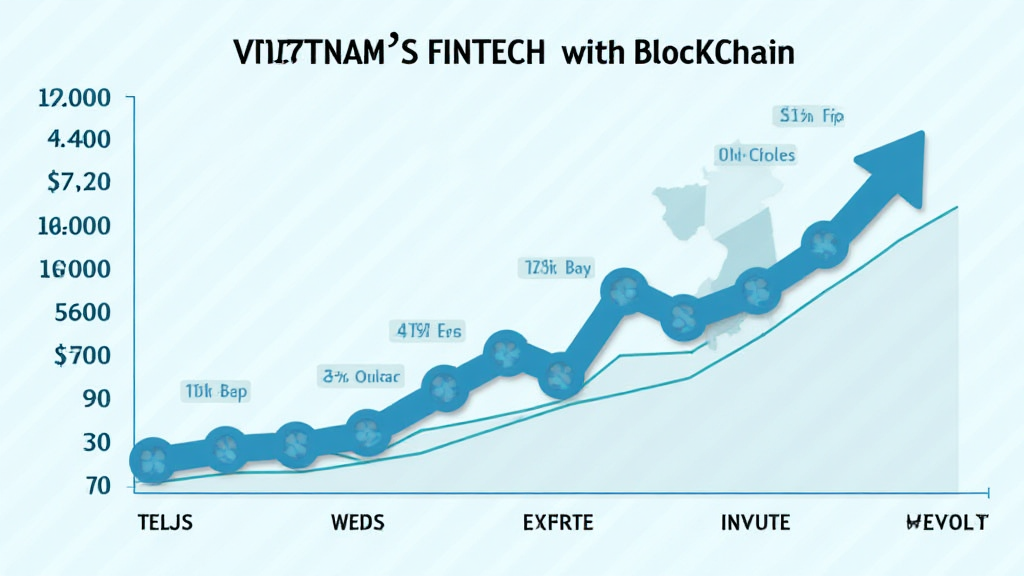
Vietnam’s fintech sector has witnessed a surge in digital payment solutions and services. By 2025, the country is projected to have approximately 70 million digital wallet users as more Vietnamese opt for online transactions. Let’s break it down:
- Significant User Growth: Data indicates that the number of digital wallet users in Vietnam rose by 45% between 2021 and 2023.
- High Internet Penetration: With about 70% of the population online, the potential market for fintech is immense.
- Investment Surge: A whopping $1.5 billion was invested in Vietnam’s fintech startups in 2022 alone.
The Role of Blockchain in Fintech
Blockchain technology offers a decentralized approach to transactions, providing security, transparency, and efficiency. As a secure ledger system, it stands to redefine traditional banking practices.
- Enhanced Security: Blockchain can significantly reduce the risk of fraud, which has plagued many financial institutions.
- Smart Contracts: These digital contracts automate and enforce agreements, enhancing trust and efficiency in transactions.
Example: Think of using blockchain like having a digital vault for your funds – secure and accessible only by you.
Key Challenges for Blockchain Integration in Vietnam
Despite the benefits, several challenges hinder the rapid integration of blockchain in Vietnam’s fintech:
- Regulatory Framework: The Vietnamese government is still in the process of establishing clear regulations around blockchain and cryptocurrencies.
- Technical Knowledge Gap: There is a significant knowledge gap in understanding blockchain technology among potential adopters.
- Interoperability Issues: Many existing fintech solutions are not compatible with blockchain technology, making integration difficult.
Vietnam’s Blockchain Adoption Strategies
To overcome these hurdles, Vietnam is embracing several strategies to foster blockchain innovation:
- Education and Awareness: The government is investing in educational programs to elevate blockchain literacy among professionals and companies.
- Collaboration with Startups: Partnerships between fintech firms and blockchain startups are being encouraged to accelerate innovation.
For instance, the Ministry of Information and Communications initiated the Vietnam Blockchain Technology Strategy to promote research and application of blockchain technologies.
Real-world Applications of Blockchain in Vietnam’s Fintech Sector
Several Vietnamese companies are already implementing blockchain solutions:
- Digital Asset Management: Companies are utilizing blockchain for secure asset management, minimizing risks associated with asset tracking.
- Supply Chain Financing: Blockchain enhances transparency in supply chains, improving trust between parties.
Vietnamese startups like hibt.com are leading this charge, illustrating significant potential in digital asset management with their innovative solutions.
The Future of Fintech and Blockchain in Vietnam
Looking ahead, the integration of fintech and blockchain holds immense promise for Vietnam:
- 2025’s Potential: Analysts are predicting that by 2025, Vietnam will become a key player in the global blockchain landscape, enhancing security standards.
- Increased Investment: Expected investments in blockchain technology could rise to $4 billion, fostering growth in various sectors.
Additionally, companies involved in blockchain audits could see demand peak as more businesses adopt these solutions. The need for quality assurance in blockchain is paramount, mainly since blockchain’s decentralized nature can attract vulnerabilities.
Final Thoughts: Embracing Blockchain for a Secure Future
As Vietnam continues to flourish in fintech, blockchain integration is not just an option; it’s imperative. By facing the challenges head-on and leveraging the opportunities presented by blockchain, Vietnam can secure its position in the rapidly evolving digital finance landscape.
Remember, while blockchain offers transformative potential, it’s essential to approach it with caution and in compliance with local regulations. Always consult local regulators before making financial decisions based on blockchain technologies.
In conclusion, Vietnam’s fintech landscape stands on the brink of a revolution, powered by blockchain technology. With the right strategies in place, the blend of innovation and security can drive significant economic growth in the coming years.
For further insights on Vietnam’s crypto landscape, explore our guide on Vietnam crypto tax regulations.
Expert analysis provided by Dr. Nguyen Hoang, a leading blockchain consultant with over 20 published papers in the field and extensive involvement in several prominent blockchain projects and audits.


