



Exploring AML and KYC Standards in Vietnam’s Crypto Market
With the surge of cryptocurrency usage globally, Vietnam has emerged as a significant player in the digital asset arena. In 2024, reports indicated that the Vietnamese crypto market had seen a remarkable 450% increase in user adoption. However, this rapid growth also brings challenges, particularly concerning compliance with Anti-Money Laundering (AML) and Know Your Customer (KYC) regulations. This article delves into the nuances of AML and KYC requirements in Vietnam’s crypto space, aiming to equip investors and businesses with the necessary insights for secure operations.
Understanding AML and KYC in Vietnam’s Crypto Context
Before diving into specific regulations, it’s essential to understand what AML and KYC mean in the context of cryptocurrency. Anti-Money Laundering (AML) refers to laws and regulations imposed to prevent the generation of income through illegal actions. Know Your Customer (KYC), on the other hand, is the process of verifying the identity of clients to prevent fraud and ensure compliance with AML laws.
In Vietnam, as the government takes steps to regulate the crypto market, understanding these concepts becomes even more crucial for businesses and investors.
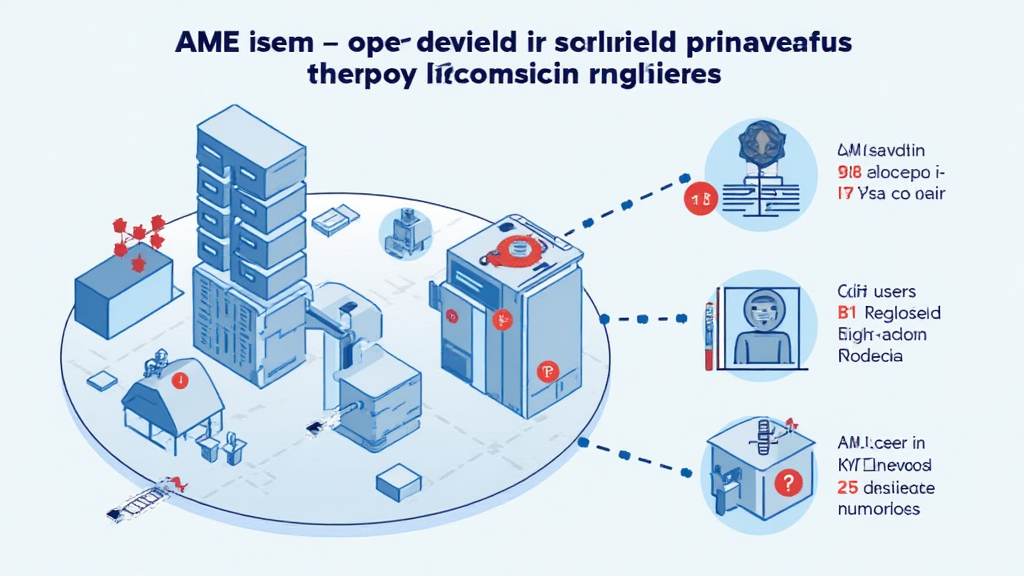
The Rise of Cryptocurrency in Vietnam
Vietnam is witnessing a surge in cryptocurrency transactions, with an estimated 7% of the population owning some form of digital assets as of 2024. Reports indicate that the current market cap of the crypto industry in Vietnam has reached around $5 billion. This increase is primarily driven by a younger demographic eager to invest and engage in the blockchain space.
The Importance of Compliance
Complying with AML and KYC regulations is not just a legal requirement; it also fosters trust among customers and investors. Here’s the catch: without proper compliance, businesses risk severe penalties, including hefty fines and potential bans from operating within the market.
Key AML and KYC Regulations in Vietnam
The Vietnamese government has gradually implemented regulations aimed at ensuring cryptocurrency operations are secure and compliant. According to the latest updates from the Ministry of Finance, effective from 2024, all cryptocurrency exchanges must register with the government and comply with AML and KYC standards.
AML Regulations in Vietnam
- Monitoring Transactions: All financial transactions above a certain threshold must be reported to the authorities.
- Training Employees: Companies must ensure that their employees are trained in identifying suspicious transactions and compliance procedures.
- Regular Audits: Businesses are required to undergo regular audits to evaluate their compliance with AML laws.
KYC Regulations in Vietnam
- Identity Verification: Users must provide valid identification, such as a national ID or passport.
- Address Verification: Proof of residence (e.g., utility bill) must be submitted to verify the user’s address.
- Ongoing Customer Due Diligence: Continuous monitoring of users’ transactions and activities must be conducted to identify any unusual behaviors.
The Local Impact: Market Trends and User Behavior
According to Chainalysis 2025, Vietnam has witnessed a notable increase in the amount of capital flowing into digital assets, which has led to a demand for robust AML and KYC compliance measures. Reports indicate that about 60% of crypto users in Vietnam are concerned about platform security and regulatory compliance when choosing exchanges to transact.
Challenges Faced by Crypto Platforms
- Resource Constraints: Many startups lack the resources required to establish comprehensive AML and KYC processes.
- Regulatory Ambiguity: The ever-changing landscape of cryptocurrency regulations can create confusion for businesses trying to remain compliant.
- Technological Barriers: Not every platform is equipped with the technology needed to effectively execute KYC processes.
Best Practices for Compliance
To navigate the complex landscape of AML and KYC compliance successfully, businesses can adopt various best practices. Here are some recommendations:
- Invest in Compliance Technology: Leverage technology solutions that streamline the verification process and enhance security.
- Stay Updated on Regulations: Regularly review local laws and guidelines to ensure ongoing compliance.
- Engage with Legal Experts: Consult with legal professionals specializing in cryptocurrency and financial regulations to navigate compliance challenges.
Conclusion
As Vietnam continues to embrace cryptocurrency, understanding and implementing AML and KYC regulations becomes paramount for businesses and investors alike. The compliance landscape is ever-evolving, presenting both challenges and opportunities. By adhering to these standards, firms can not only mitigate risks but also enhance their reputation and trust within the market.
At cryptomindsethub, we strive to provide our readers with up-to-date information on the cryptocurrency market and compliance standards in Vietnam and beyond. As the digital asset world expands, ensuring sound compliance will be a crucial factor in safely navigating this exciting terrain.


