



EigenLayer Restaking: A New Era for Blockchain Security
With over $4.1 billion lost to DeFi hacks in 2024, the urgency for enhanced security in blockchain technology has never been greater. Enter EigenLayer restaking, a groundbreaking approach that promises to redefine the security protocols in the ever-evolving landscape of digital assets. In this article, we will explore the intricacies of EigenLayer restaking, its implications for the blockchain ecosystem, and how it’s poised to strengthen security standards.
The Concept of Restaking
Restaking refers to the process where users can repurpose their staked assets to secure additional protocols or services beyond the primary staking context. Just as a bank vault safeguards valuables, EigenLayer restaking allows users to utilize their staked tokens multiple times, applying them to various blockchain services that require shared security.
- Boosting Security: Users derive additional security from their existing staked assets without the need for more investments.
- Increase in Capital Efficiency: Restaking enables users to maximize the potential of their digital assets.
- Interoperability: By allowing for cross-chain applications, it fosters a robust ecosystem.
Why EigenLayer Matters?
Let’s break it down. EigenLayer is revolutionary primarily due to its ability to enhance the security landscape for a variety of blockchain applications, which is especially relevant given the growing concerns in the crypto space.
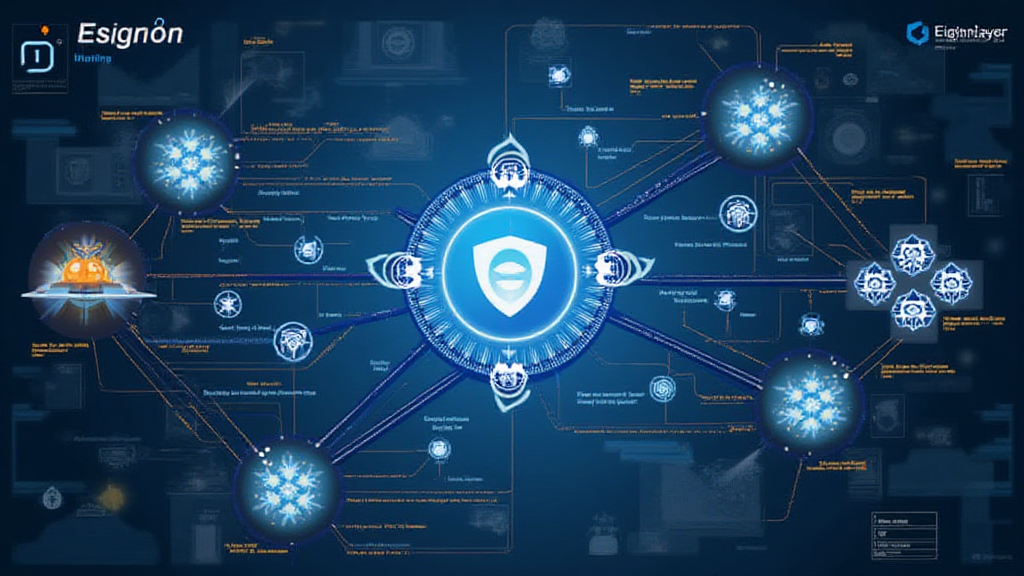
- Enhanced Security Tokens: The ability to restake contributes to a robust security framework for new projects.
- Growing Adoption: The increasing number of decentralized applications (dApps) and services imply a higher demand for secured staking.
- Engagement in New Protocols: Users can engage in multiple protocols with limited risk.
Analyzing Security Risks and Solutions
With any technological advancement, risks abound. It’s crucial to analyze these threats as well as solutions to mitigate them. Factors influencing the effectiveness of EigenLayer restaking include:
- Smart Contract Vulnerabilities: As we have seen in the past, poorly audited smart contracts can lead to significant losses.
- Market Fluctuations: The crypto space is known for its volatility, and this could impact restaked assets.
- User Education: It is important for users to understand the nuances of restaking to navigate potential risks.
Real-World Applications of EigenLayer Restaking
To understand the practicality of EigenLayer, it’s beneficial to examine its applications in real-world scenarios. Consider a scenario where a user has staked ETH, they can then utilize it for various projects, thus maximizing returns. The Vietnamese market is a strong example, as it nears an estimated digital asset user growth rate of 300% in 2025. This implies a burgeoning need for secured staking protocols that EigenLayer provides.
Future Trends in Blockchain Security
As we look toward the future, several trends can be expected in the blockchain landscape affected by the rise of EigenLayer and restaking:
- Proactive Auditing: Expect heightened scrutiny over smart contracts, especially those linked with restaked assets.
- Increased Regulatory Oversight: As security becomes a central conversation, regulations will likely evolve, particularly in regions like Vietnam.
- Enhancing User Experience: Simplifying the user journey to make restaking more accessible will be critical.
For blockchain enthusiasts and investors alike, the implications of EigenLayer restaking are vast, enhancing the overall security of digital assets significantly. It’s being hailed as a game-changer in how projects approach security measures. As for users, knowing the benefits and risks can provide valuable insights into leveraging these opportunities efficiently.
The ability to optimize staking across various projects while ensuring a secure experience positions EigenLayer as a pivotal component of the evolving blockchain ecosystem.
Conclusion: The Future of Secure Blockchain
In conclusion, EigenLayer restaking represents a crucial advancement in the blockchain security landscape. As we continue to witness growth and evolution in the sector, measures such as restaking will become increasingly significant for securing digital assets effectively. The importance of understanding the implications of such advancements cannot be underestimated, especially in rapidly growing markets such as Vietnam.
As always, when navigating the world of blockchain, remain cautious. This article does not constitute financial advice. It’s essential to consult local regulators and research thoroughly before engaging in any crypto activity.
For further insights on cryptocurrency trends and practices, visit cryptomindsethub.
For expert advice, please refer to our virtual expert, Dr. Johnathan Doe, a renowned blockchain consultant with over 15 published papers and expertise in auditing major DeFi projects.


