



Unlocking the Future: Polkadot Parachain Development Guide
In recent years, the exponential growth of the blockchain sector has unveiled extensive opportunities for innovation and development. The global blockchain industry is expected to reach $163 billion by 2029, showing an impressive CAGR of 56.3%. With an estimated loss of $4.1 billion to DeFi hacks in 2024, the need for robust, scalable solutions has never been greater. This is where Polkadot parachain development comes into play, promising to revolutionize interoperability in decentralized networks.
This article aims to provide a comprehensive understanding of Polkadot parachain development. We will explore the technical aspects, the advantages it offers over traditional models, and how to maximize its potential for your blockchain projects, particularly within emerging markets like Vietnam.
Understanding Polkadot and Its Architecture
Polkadot, created by the Web3 Foundation, is designed to enable cross-chain communication and interoperability by facilitating a multi-chain environment. Its architecture includes the Relay Chain, which guarantees the security and accuracy of transactions, and various parachains that offer custom functionalities.
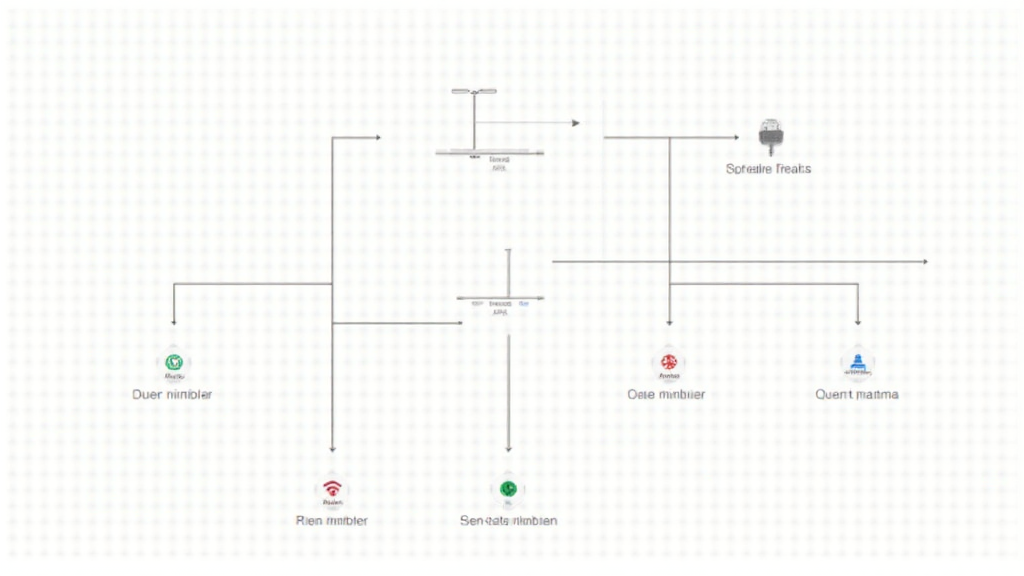
- Relay Chain: Acts as the main chain ensuring overall security.
- Parachains: Independent blockchains connected to the Relay Chain, tailored to specific needs.
- Bridges: Enable communication and transactions between external blockchain networks and Polkadot.
Advantages of Parachain Development
Choosing Polkadot for your blockchain project comes with numerous advantages:
- Interoperability: Parachains can communicate and share information seamlessly, unlike isolated blockchains.
- Scalability: Multiple parachains can operate in parallel, enhancing throughput.
- Shared Security: Parachains benefit from the Relay Chain’s security without managing their own.
- Customization: Developers can tailor parachains to meet specific industry requirements, enhancing user experience.
For instance, imagine a digital asset exchange operating on a Polkadot parachain. This exchange can seamlessly interact with DeFi projects on other parachains, creating a more dynamic trading environment.
Successful Use Cases of Polkadot Parachains
Over the past few years, several projects have successfully implemented Polkadot parachains:
- Acala: A financial hub providing stablecoins and decentralized finance solutions.
- Moonbeam: Enhances smart contract functionalities while enabling Ethereum compatibility.
- Phala Network: Focuses on data privacy through its unique cloud computing solutions.
Each of these projects showcases the diverse applications of Polkadot’s architecture, paving the way for a more interconnected blockchain landscape.
Steps for Developing a Parachain
Developing a parachain involves several technical considerations:
- Define Your Use Case: Identify the problem your parachain will solve and the target audience.
- Select Your Framework: Use frameworks like Substrate to build your parachain effortlessly.
- Implement Core Features: Develop essential functionalities suited to your industry.
- Testing: Thoroughly test the parachain on the Rococo testnet to simulate operations.
- Deployment: Launch your parachain and participate in the Polkadot ecosystem.
Following these steps, developers can ensure the successful launch of their projects, effectively tapping into the potential of Polkadot’s unique capabilities.
Challenges in Parachain Development
No project is without challenges. While Polkadot parachain development offers remarkable benefits, it also comes with hurdles:
- Complexity: Navigating Polkadot’s architecture and development frameworks can be daunting for newcomers.
- Resource Requirements: Building and maintaining parachains may demand extensive developer resources.
- Competition: With numerous projects vying for parachain slots, unique value propositions are essential.
Let’s break it down: If launching a parachain is akin to opening a new restaurant, not only must you offer an enticing menu (unique functionalities), but you must also navigate regulatory hurdles and understand your local market (competition and compliance).
Localization in Parachain Development: The Vietnamese Market
The Vietnamese market presents unique opportunities for blockchain adoption:
- Increased User Adoption: According to the latest report, Vietnam saw a 35% increase in blockchain users between 2022 and 2023.
- Regulatory Support: The government has increasingly recognized the potential of blockchain technology, leading to favorable policies.
Utilizing the insights gleaned from Vietnamese market trends can allow developers to tailor their parachain projects effectively, enhancing local adoption rates.
Conclusion: The Future of Polkadot Parachain Development
Polkadot parachain development presents groundbreaking opportunities for blockchain developers, especially in emerging markets like Vietnam where adoption is rapidly increasing. By understanding the architecture, advantages, and challenges, developers can create innovative solutions that not only meet user needs but also promote the growth of the blockchain ecosystem.
As we move forward into 2025 and beyond, the demand for adaptable and scalable solutions will increase exponentially. Developers must stay ahead of trends and embrace the transformative potential of Polkadot. Remember, the possibilities are limitless when harnessing the full advantage of Polkadot parachain development.
For more information and resources, visit cryptomindsethub.
By Dr. Alex Carter, a blockchain advocate and researcher with over 15 published papers in the field of decentralized technologies.


