



Introduction
In the fast-paced world of cryptocurrency, navigating volatile markets can feel like a daunting task. A staggering $4.1 billion was lost to hacks in 2024 alone, illustrating the urgency for effective risk management strategies. Technical analysis (TA) has emerged as a critical toolbox for traders, combining market psychology and historical data to predict price movements. This comprehensive guide will equip you with the knowledge to enhance your trading strategies through technical analysis, ensuring you stay ahead of the curve.
What is Technical Analysis in Crypto?
Technical analysis in the crypto space refers to the study of price movements and volumes in cryptocurrencies to identify potential trading opportunities. Unlike fundamental analysis, which focuses on evaluating an asset’s intrinsic value, TA primarily concentrates on price charts, patterns, and indicators. By understanding historical price behavior, traders can make informed decisions based on market trends.
Why Choose Technical Analysis?
- Data-Driven Decisions: TA relies on data and statistics, providing a more objective viewpoint for traders compared to personal opinions.
- Trend Identification: By analyzing price charts, traders can identify trends—uptrends, downtrends, and ranges—which can inform their trading strategy.
- Timing Market Entry: Technical analysis helps investors time their market entry and exit points more effectively.
Key Components of Technical Analysis
Successful technical analysis hinges on understanding several fundamental components:
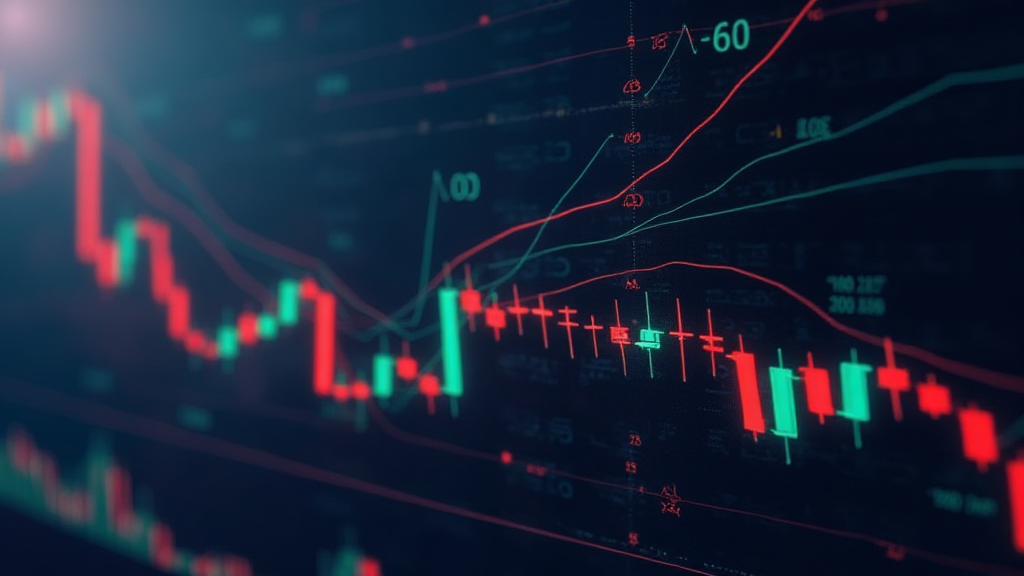
- Price Charts: These illustrate the price movements of cryptocurrencies over various time frames. Common types include line charts, bar charts, and candlestick charts.
- Support and Resistance Levels: Support levels indicate price floors, while resistance levels indicate ceilings where the price struggles to break through. Recognizing these levels is critical for making trading decisions.
- Indicators and Oscillators: Tools like Moving Averages, RSI (Relative Strength Index), and MACD (Moving Average Convergence Divergence) help identify market trends and potential reversal points.
Support and Resistance Levels
Support and resistance levels are vital for understanding market psychology. When a cryptocurrency approaches a support level, traders often see it as a buying opportunity, whereas resistance levels may signal a good selling point. Analyzing historical data can help identify these crucial levels and enhance your trading strategy.
Popular Indicators
- Moving Averages: This indicator smooths out price data to identify trends over time. A simple moving average (SMA) and an exponential moving average (EMA) are widely used in crypto trading.
- Relative Strength Index (RSI): RSI measures the speed and change of price movements, typically used to identify overbought or oversold conditions.
- MACD (Moving Average Convergence Divergence): The MACD indicator helps traders identify potential buy and sell opportunities based on the convergence and divergence of moving averages.
Technical Patterns You Should Know
Many traders rely on specific patterns that have historically produced predictable outcomes. Here are some key formations:
- Head and Shoulders: This pattern signals a trend reversal and can indicate an impending price drop.
- Double Top and Double Bottom: These patterns indicate reversal trends and suggest potential shifts in market momentum.
- Triangles: Ascending, descending, and symmetrical triangles can signal continuation patterns or reversals based on the breakout direction.
Real Data and Real Choices: A Case Study
Let’s look at the trend of Bitcoin (BTC) from early 2023 to late 2024. The following table illustrates changes in price, emphasizing market behaviors:
| Date | Price (USD) | Market Sentiment |
|---|---|---|
| Jan 2023 | 40,000 | Bearish |
| May 2023 | 60,000 | Bullish |
| Oct 2023 | 30,000 | Bearish |
| Dec 2024 | 50,000 | Bullish |
From this case study, you can see how the sentiment changed with price movement, underlining the importance of understanding psychological factors in trading.
Tips for Successful Technical Analysis
- Stay Updated: Follow major news and developments in the crypto industry as they can affect market conditions.
- Use Multiple Time Frames: Analyze charts in different time frames to gain a broader perspective on price behavior.
- Manage Risk: Always set stop-loss orders to manage your risk effectively; it’s essential in preventing significant losses.
- Practice Makes Perfect: Demo accounts allow you to practice trading strategies without financial risk, enabling you to build confidence.
Conclusion
Your journey into the world of crypto doesn’t have to be navigated blindly. Technical analysis equips you with the tools necessary to make informed decisions, mitigating risk and maximizing potential opportunities. As the crypto market continues to evolve, adopting these strategies can place you ahead of the pack in identifying trends and executing trades wisely.
Ultimately, while technical analysis provides valuable insights, it is not foolproof. Combine TA with fundamental analysis and stay informed about market developments. For a deeper understanding of navigating the crypto landscape, visit cryptomindsethub for more resources. Not financial advice. Consult local regulators before investing.


