



Introduction
As DeFi evolves, the debate between Order Book DEX and AMM continues to grow. With $4.1 billion lost to DeFi hacks in 2024, understanding these trading methods is crucial. Investors often seek efficient, secure ways to trade cryptocurrencies in a volatile market. This article offers a comprehensive overview of the differences between Order Book DEX and AMM, guiding you to make informed decisions.
Understanding the Basics
Before diving into the nuances of Order Book DEX and AMM, let’s clarify what each term means:
- Order Book DEX: A decentralized exchange where traders submit buy and sell orders. These orders create a visible order book, allowing users to see available liquidity and make trades accordingly.
- AMM: An automated market maker uses liquidity pools instead of an order book. Prices are determined by algorithms based on the ratios of tokens in the pool.
Key Differences Between Order Book DEX and AMM
Now that we understand the basics, let’s break down the key differences:
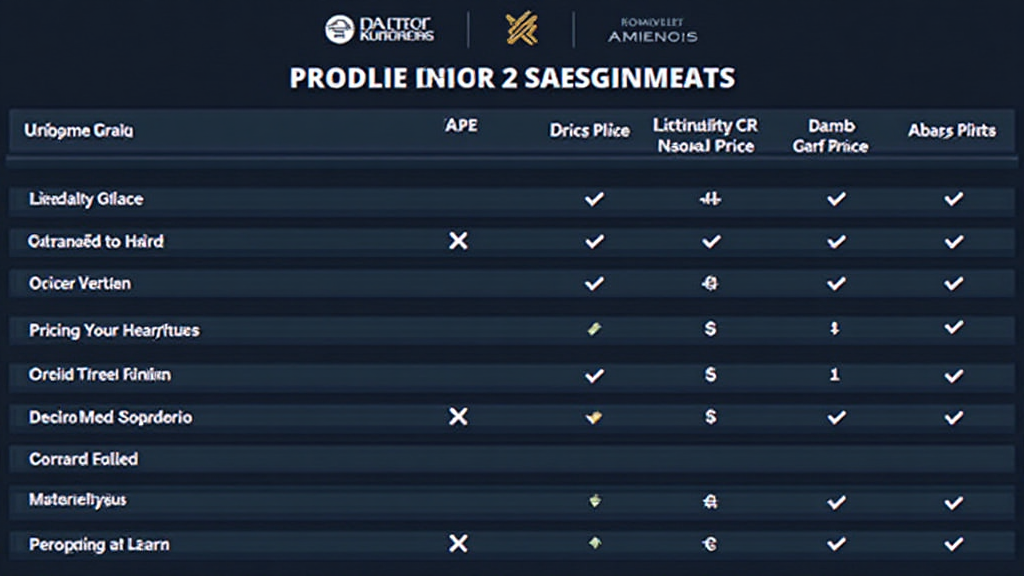
Liquidity
Order Book DEX requires traders to place limit orders, attracting liquidity providers willing to fulfill these orders. Conversely, AMMs depend on users providing liquidity to pools, which can result in better price execution during high volatility.
Pricing Mechanisms
In Order Book DEX, prices are determined by the latest matching buy and sell orders. AMM, on the other hand, employs algorithmic pricing, adjusting based on supply and demand in the liquidity pool.
Slippage
During trading, slippage can affect execution prices. Order Book DEX usually experiences lower slippage for high-volume trades due to the visible order book. In contrast, AMMs can have higher slippage, particularly for large trades where token reserves are insufficient.
User Experience
For users familiar with traditional trading, Order Book DEX offers a familiar interface. AMMs, however, require less market knowledge, allowing novice traders to provide and withdraw liquidity more easily.
Pros and Cons of Each Model
Order Book DEX
- Pros:
- Lower slippage for large trades
- More control over orders
- Familiar trading environment
- Cons:
- Requires more active participation
- Liquidity can vary widely
AMM
- Pros:
- Easy to use for beginners
- Consistent liquidity for users
- Lower barrier to entry for liquidity providers
- Cons:
- Higher slippage for large trades
- Potential for impermanent loss
Market Trends: The Vietnamese Perspective
The Vietnamese cryptocurrency market has been witnessing tremendous growth, with the number of users increasing by over 200% in 2023. This expansion emphasizes the need for efficient trading models, making the comparison between Order Book DEX and AMM relevant for local traders.
As Vietnam embraces blockchain technology, the choice between Order Book DEX and AMM will likely depend on factors such as trading frequency and risk tolerance. Investors seeking more control might prefer Order Book DEX, while those looking for simplicity may lean towards AMMs.
Choosing the Right Model for You
Here’s a breakdown to help you decide which model aligns with your trading style:
- If you value control and plan to make large trades, consider using an Order Book DEX.
- If you prefer a simpler experience or want to provide liquidity, AMM may be your best bet.
- Newbies should start with AMM to get familiar with cryptocurrency trading.
Conclusion
In the battle of Order Book DEX vs AMM, both models offer distinct advantages and disadvantages. By understanding these differences, you can choose the method that best suits your trading needs and risk profile. In a rapidly growing market like Vietnam, keeping up with the latest developments ensures that you make informed decisions. Remember, consult local regulations regarding trading to ensure compliance.
For more insights on cryptocurrency, visit cryptomindsethub.
About the Author
Dr. Gia Nguyen, a blockchain technology expert with over 15 publications in decentralized finance, leads significant smart contract audits, contributing to the evolving landscape of digital finance.


