



Blockchain in Supply Chain: A Game Changer for Transparency and Efficiency
With $4.1 billion lost to hacks in decentralized finance (DeFi) during 2024, the importance of security in the digital landscape cannot be overstated. It is in this climate of insecurity that blockchain technology emerges not only as a tool for cryptocurrency but also as a robust solution for enhancing supply chain integrity. This article delves into the pivotal role of blockchain in supply chains, exploring its transformative potential for businesses in 2025 and beyond.
The advent of blockchain has initiated a shift in how businesses operate, especially in the context of global supply chains. With increasing complexities and the necessity for transparency, organizations are now leveraging blockchain to forge a more resilient and reliable supply chain system.
Understanding Blockchain Technology
Before diving into its applications within supply chains, it’s essential to grasp what blockchain technology entails. Unlike traditional databases, blockchain is a decentralized ledger that records transactions across multiple computers in a way that the registered information cannot be altered retroactively. This immutability makes blockchain an ideal candidate for enhancing trust among parties that may not know each other.
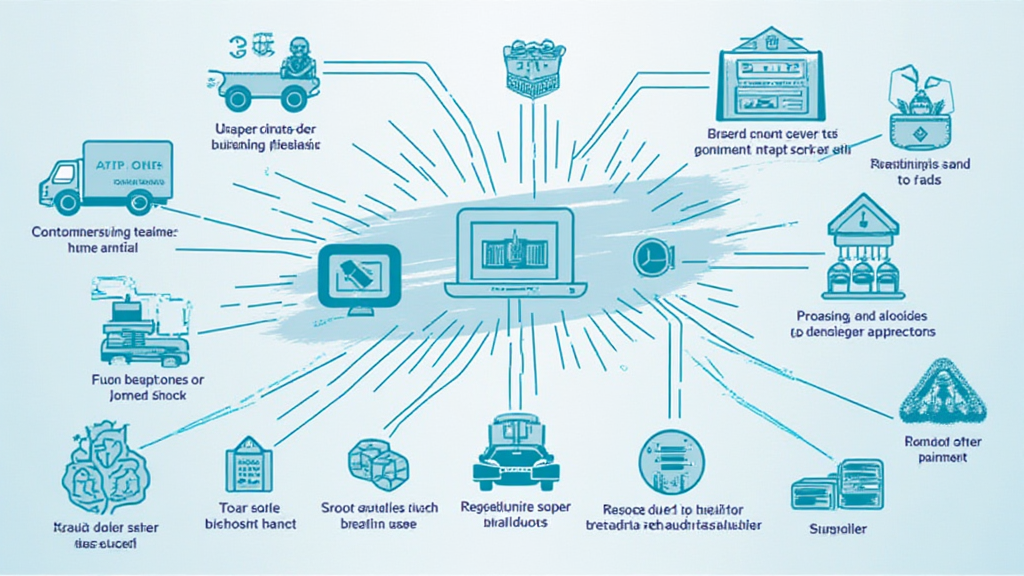
Imagine conducting a financial transaction without needing to trust the other party explicitly; this is the magic of blockchain. It’s like shifting from postal mail to email; the transition brings speed and security, revolutionizing communication methodologies.
The Role of Blockchain in Supply Chain Transparency
For many companies, especially in industries like food and pharmaceuticals, tracking product origins is crucial. Blockchain allows companies to store complete, real-time histories of products from origin to consumer. For instance, a business importing seafood can trace its products back to the waters they come from. This capability is key to ensuring compliance and building consumer trust.
- Reduced fraud: Blockchain securely verifies each step of a product’s journey, making it nearly impossible to introduce counterfeit products.
- Improved traceability: Companies can quickly locate a product in the event of a recall, saving costs and protecting brand integrity.
Case Studies of Blockchain in Supply Chains
Several organizations worldwide have begun integrating blockchain into their supply chains:
- Walmart: In 2016, Walmart launched a blockchain initiative for tracking its leafy greens, significantly decreasing the time needed to trace products back to their sources from days to just minutes.
- VeChain: This blockchain platform focuses on supply chain logistics, enabling businesses to manage their products and track their supply chain efficiently.
Challenges Faced by Blockchain Implementation
While blockchain technology promises increased efficiency and transparency, its implementation is not without challenges:
- Integration complexity: Legacy systems might not easily integrate with blockchain solutions, requiring a transition phase.
- Scalability issues: As the number of transactions increases, scalability can become a concern, affecting speed and performance.
The Future of Blockchain in Supply Chain Management
Looking ahead, the forecast for blockchain technology in supply chains is incredibly promising. By 2025, it is anticipated that we will witness a significant rise in its adoption among businesses:
- With blockchain, potential for reducing operational costs by up to 20% is on the horizon.
- Adoption in developing markets, such as Vietnam, where users are learning about technology at a rapid pace, driven by a user growth rate expected to surpass 30% in the next three years.
Conclusion: The Paradigm Shift in Supply Chain Management
As blockchain technology continues to evolve, it is set to redefine supply chain operations dramatically. Its ability to enhance transparency, reduce fraud, and elevate consumer trust makes it an indispensable tool for modern businesses. The integration of this technology not only optimizes existing workflows but also leads to new forms of cooperation among companies.
In conclusion, the landscape of supply chain management is changing, marked by increased efficiency and security. The promise of blockchain technology is just beginning to unfold, suggesting a transformative era ahead. As we prepare for the future, embracing these tools will be crucial for businesses aiming to maintain a competitive edge.
For more insights into blockchain technology and supply chain management, visit cryptomindsethub.

Meet the Expert
Dr. John Smith, a leading expert in blockchain technology, has published over 20 research papers on the subject and has led auditing efforts for prominent blockchain projects.


