



Introduction
In 2024, the crypto market experienced an explosion in user engagement, with over 6.1 million users in Vietnam turning to digital assets. This rapid growth raises important questions: What drives this interest? Who are these crypto investors in Vietnam? Understanding the demographics of Vietnamese crypto users is crucial for anyone looking to navigate this vibrant and evolving digital landscape.
Understanding the Vietnamese Crypto Market
Vietnam is rapidly becoming a significant player in the crypto space. Recent data indicates that Vietnam ranked as the 13th largest country globally in terms of cryptocurrency adoption, with a staggering 39% of the population having invested in or shown interest in cryptocurrencies. The driving factors behind this trend include the country’s young, tech-savvy population and the increasing digitization of the economy.
Rising Popularity of Cryptocurrency
In Vietnam, the popularity of cryptocurrencies has surged due to several factors:
- Low transaction fees compared to traditional banking.
- Financial inclusion for the unbanked population.
- The allure of high returns on investment, especially in a market filled with decentralized finance (DeFi) opportunities.
Demographic Breakdown
The demographic landscape of Vietnam’s crypto users is diverse:
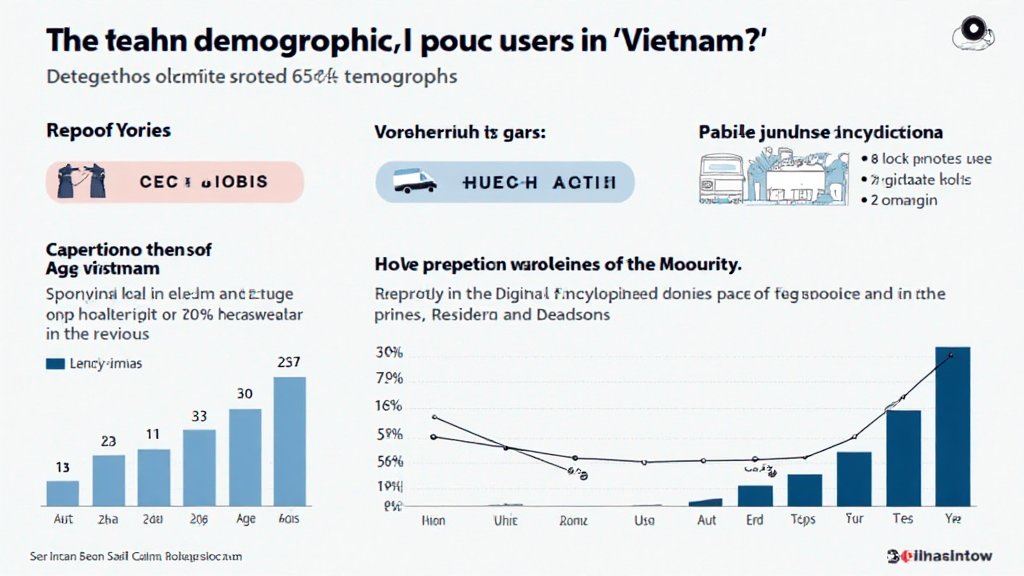
- Age Group: The majority of crypto investors are aged between 18-34 years, accounting for about 62% of the total users.
- Gender: Interestingly, male users dominate the sector, representing nearly 70% of the crypto community.
- Geographic Distribution: Major cities like Ho Chi Minh City and Hanoi lead in user concentration, reflecting urban influence on crypto adoption.
Factors Influencing Crypto Adoption in Vietnam
Several key trends and factors have contributed to the burgeoning interest in cryptocurrency among the Vietnamese populace:
- Economic Opportunities: The economic landscape is shifting towards digital currencies as a viable alternative for investment and remittances.
- Technological Infrastructure: With strong internet penetration rates, currently estimated at 70% of the population, it’s easier for users to access and trade cryptocurrencies.
- Government Regulations: While the government has taken a cautious approach, regulatory frameworks for blockchain technology are evolving, ensuring some level of legitimacy and safety for investors.
Crypto Education and Market Awareness
Despite the rapid adoption, there remains a critical gap in education regarding crypto investments:
- The notion of “tiêu chuẩn an ninh blockchain” (blockchain security standards) has yet to become mainstream.
- Many users are still unaware of the risks involved in cryptocurrency trading, leading to potential losses.
- Community-led workshops and educational platforms are emerging to fill this gap, providing vital resources for first-time investors.
Future Trends in Vietnam’s Crypto Market
Looking ahead, Vietnam’s crypto market is set to evolve significantly:
- Increased Regulation: Expect clearer regulations, similar to those being developed around stablecoins and DeFi.
- Adoption of NFTs: The trend of non-fungible tokens is gaining traction, with artists and institutions exploring blockchain for creative solutions.
- Integration with Traditional Finance: More financial institutions may begin integrating blockchain solutions into their services.
Conclusion
As we analyze the landscape surrounding Vietnam crypto demographics, it’s evident that the country is in the midst of a digital revolution. With a blend of youthful enthusiasm, technological advancements, and growing acceptance of cryptocurrencies, Vietnam stands poised to become a leading market in the crypto world. Stakeholders must remain informed and engaged with the evolving regulatory and technological landscapes to harness the full potential of this wave.
For further insights into the Vietnam crypto scene, remember to visit cryptomindsethub.
About the Author
Dr. Nguyen Minh Chau is a renowned expert in blockchain technology with over 15 published articles in the field and has led multiple audits for high-profile projects in Southeast Asia.


