



Navigating the Crypto Regulatory Landscape in SEA: Key Insights for 2025
With the cryptocurrency market growing exponentially, regulatory frameworks acryptomindsethub.com/?p=6379″>cross Southeast Asia are rapidly evolving. The total crypto market capitalization in Southeast Asia reached an all-time high of $183 billion in 2023, indicating a strong adoption and investment interest in digital assets. However, navigating the regulatory landscape can be complex and presents both challenges and opportunities for crypto companies.
The Current State of Crypto Regulation in SEA
As of 2023, Southeast Asia (SEA) consists of various countries each with distinct regulatory approaches towards cryptocurrency. For instance, Singapore has established itself as a global fintech hub, while Vietnam is experiencing significant growth in crypto adoption despite a lack of comprehensive regulations. According to a report by Statista, Vietnam’s user growth rate for cryptocurrency platforms is estimated at 32% annually, making it a critical market for crypto enthusiasts.
- Regulatory frameworks are being developed in response to market demands.
- Compliance with local laws is essential for market entry and sustainability.
- There’s an increasing trend of governments seeking to balance innovation with consumer protection.
Key Regulatory Bodies and Their Roles
In Southeast Asia, several key regulatory bodies have taken the helm in shaping the crypto landscape. Understanding their roles is vital for compliance.
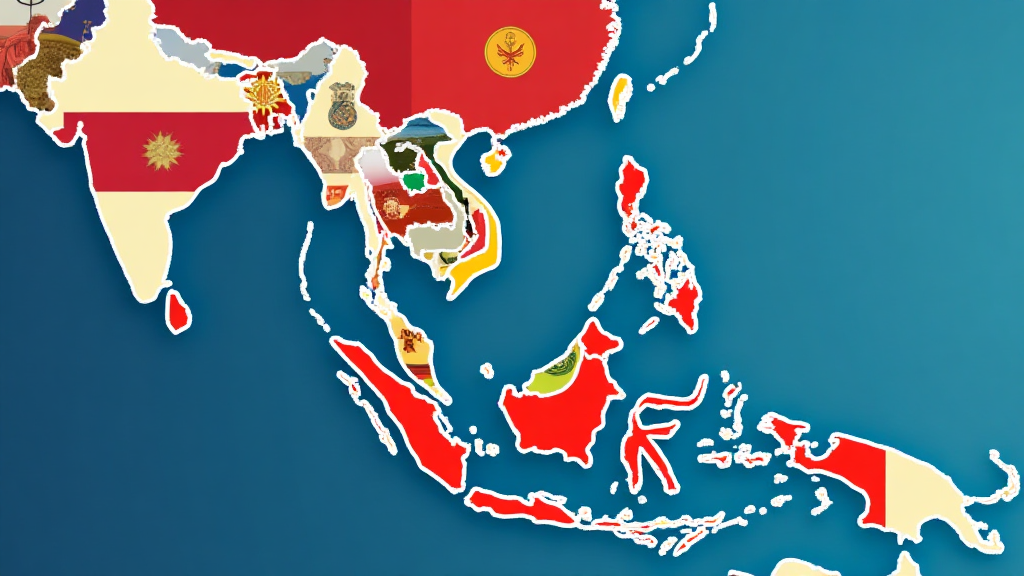
- Monetary Authority of Singapore (MAS): Oversees activities related to digital payments and token offerings.
- Vietnam State Bank (SBV): Has issued guidelines on cryptocurrency usage in the country.
- Malaysia’s Securities Commission: Regulates initial coin offerings (ICOs) within its jurisdiction.
The Role of MAS in Shaping SEA’s Crypto Landscape
The Monetary Authority of Singapore has been proactive in its regulatory stance. Legislation like the Payment Services Act provides a regulatory framework for payment services and digital tokens. This is crucial as it enhances investor protection and maintains the integrity of the financial system.
Vietnam’s Approach to Crypto Regulations
While Vietnam has witnessed a significant increase in crypto adoption, the SBV has taken a cautious approach. The current stance is that cryptocurrencies are not recognized as legal tender, but they can be traded. It’s essential for businesses to remain compliant to avoid penalties.
Emerging Trends in Crypto Regulations for 2025
As we look towards 2025, several emerging trends are likely to shape the regulatory landscape:
- Increased Focus on Consumer Protection: Expect regulations that provide clearer guidelines for consumer rights.
- Taxation Policies: Countries in SEA will likely introduce clearer frameworks for taxing crypto investments.
- Regulatory Clarity for DeFi Projects: There is a growing recognition and need to regulate decentralized finance platforms.
Best Practices for Compliance in a Dynamic Market
For crypto businesses operating in this dynamic environment, here are some best practices to ensure compliance:
- Regularly update your understanding of local regulations and adapt operational policies accordingly.
- Engage legal counsel proficient in cryptocurrency law to navigate complexities.
- Create transparent reporting mechanisms for all transaction-related activities.
Audit Your Smart Contracts
One crucial aspect to consider is how to audit smart contracts to ensure compliance and security. According to a recent survey, 80% of smart contract vulnerabilities could be mitigated through thorough audits. The process includes engaging third-party auditors who specialize in blockchain technologies.
The Future of Cryptocurrency Regulation in SEA
The crypto regulatory landscape in Southeast Asia will continue to evolve with innovations and technological advancements. The successful navigation of this landscape will depend on proactive compliance measures.
Investing in Compliance Tools
Tools like Ledger Nano X can help secure your crypto investments and protect against hacks, with studies showing a 70% reduction in breaches when using hardware wallets.
Conclusion: Embracing a New Era for Crypto Regulations
The crypto regulatory landscape in Southeast Asia is intricate but filled with opportunities for informed crypto enthusiasts. Understanding the laws of each country, engaging with regulatory bodies, and investing in compliance will be crucial for sustainable growth. Investing in local markets, such as Vietnam, where the regulatory framework is still taking shape, can yield substantial benefits. As we move towards 2025, staying ahead of regulatory changes will empower you to thrive in the crypto space.
For more insights on navigating the complexities of cryptocurrency regulations, visit cryptomindsethub.
About the Author
Dr. Alex Kenji is a renowned blockchain expert with over 15 published papers in the field and has led audits for several high-profile projects, helping organizations navigate regulatory complexities in the crypto space.


