



Understanding Crypto Market Volatility: Insights and Strategies
In the rapidly evolving world of cryptocurrencies, market volatility has emerged as a defining characteristic. With billions lost in value during sudden downturns and days of explosive growth, understanding the causes and implications of crypto market fluctuations is paramount. For instance, in 2024 alone, over $4.1 billion was reportedly lost to DeFi hacks, underscoring the risks inherent in this volatile space. Whether you’re an investor, a trader, or simply a crypto enthusiast, grasping the underlying factors of crypto market volatility can empower you to make informed decisions.
The Nature of Crypto Market Volatility
Crypto market volatility refers to the rapid and often extreme price fluctuations of cryptocurrencies. This phenomenon can be contrasted with traditional financial markets, where price changes are usually more gradual. Several key factors contribute to this unique volatility:
- Market Sentiment: Emotional responses can drive prices up or down dramatically within hours.
- Liquidity: Many lesser-known cryptocurrencies have low liquidity, causing larger price swings.
- Regulatory News: Announcements regarding regulations or government actions can cause significant fluctuations.
- Technological Developments: Innovations or issues in blockchain technology impact market perceptions.
- Broader Economic Factors: Global economic events often spill over into the crypto sphere.
For example, in 2022, the announcement of regulations around crypto assets by several governments led to significant sell-offs, demonstrating how external sentiment can shift the entire market landscape.
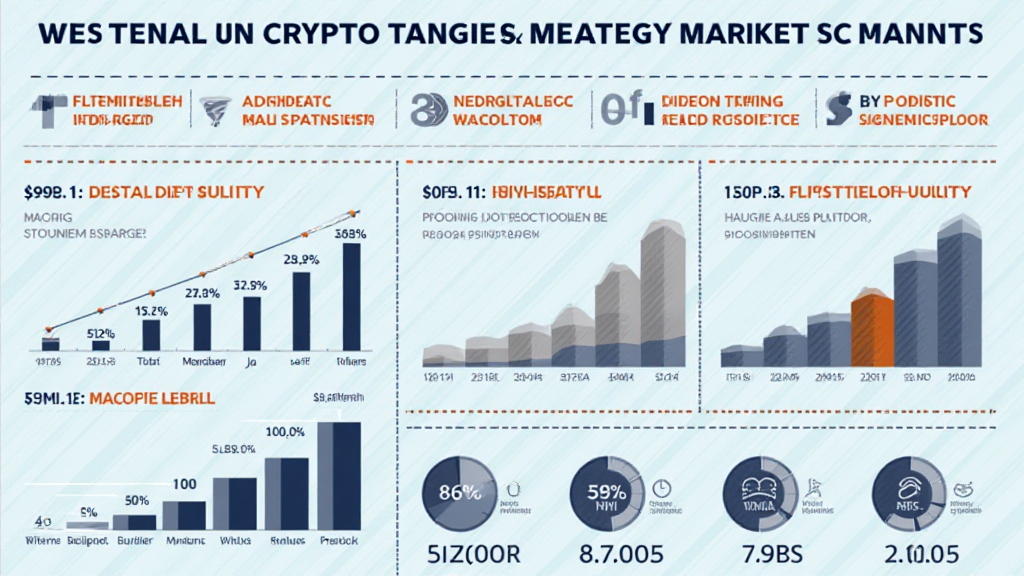
Understanding the Causes of Volatility
The volatility in the cryptocurrency markets can largely be attributed to three main factors: speculation, technological changes, and external economic criteria. Let’s delve deeper into these aspects:
- Speculation: Much of the trading in cryptocurrencies is driven by speculation. Unlike traditional assets, cryptocurrencies lack intrinsic value metrics, leading traders to rely on perceived future values.
- Technological Changes: Innovations within blockchain technology and crypto platforms often create periods of heightened volatility. For instance, the implementation of a new consensus mechanism or the introduction of a major update can cause tall price fluctuations.
- External Economic Factors: External pressures, such as inflation announcements or changes in monetary policy, can also dramatically affect the crypto market. Investors often react quickly to shifts in economic indicators.
Strategies for Navigating Volatility
Given the unpredictable nature of crypto market volatility, developing sound strategies becomes crucial. Here are some approaches to consider:
- Dollar-Cost Averaging (DCA): Rather than investing a lump sum, consider spreading out your investments over time to mitigate the impact of sudden price movements.
- Setting Stop-Loss Orders: Automation can be a trader’s friend. Using stop-loss orders can help to limit potential losses during sudden declines.
- Research and Stay Informed: Keeping up with market news and developments allows for better decision-making.
- Diversification: Don’t put all your eggs in one basket. Investing across various cryptocurrencies can help spread risk.
As volatile as crypto markets can be, dollar-cost averaging and setting stop-loss orders can significantly reduce risks. In fact, studies indicate that investors who employ these strategies often weather downturns better than those who react impulsively.
Analyzing Market Trends: The Case of Vietnam
Vietnam has seen a remarkable increase in cryptocurrency adoption, evidenced by a 200% growth rate in users from 2021 to 2023. This boom is reflective of the broader trend within Southeast Asia, where young adults are increasingly turning to digital assets as a viable financial alternative. Additionally, these users are particularly attracted to investing in alternative coins, or tiêu chuẩn an ninh blockchain, that promise innovations yet carry significant risks.
- As of 2023, Vietnam ranks among the top ten countries globally for crypto transactions.
- The Vietnamese government has expressed increased interest in regulating the crypto space, which can lead to greater stability.
Local investors and businesses are adapting quickly to the rapid changes, thus finding ways to thrive within this volatile environment.
The Future of Crypto Volatility: Preparing for 2025
As we look forward to 2025, we see potential shifts in the crypto landscape that could influence volatility. Predictions indicate:
- The maturity of the market as institutional investors enter more significantly could stabilize prices.
- Adoption rates across emerging markets, including Vietnam, will likely lead to increased liquidity.
- Technological advancements such as interoperability between blockchains could minimize market fluctuations.
What happens in 2025? It might very well be the year when the crypto market stabilizes due to increased awareness and maturity. However, like any investment space, it will remain subject to external factors affecting prices.
Conclusion
Navigating the turbulent waters of crypto market volatility requires resilience, research, and strategic planning. Understanding the driving forces behind fluctuations is vital for anyone involved in the world of cryptocurrencies. While the landscape is ever-changing, principles such as being informed and diversifying approaches will stand the test of time.
With the growing interest in digital currencies both globally and specifically in markets such as Vietnam, new opportunities and challenges will continue to arise. To learn more and stay updated about the latest trends in the crypto space, visit cryptomindsethub.


