



The Impact of Bitcoin Halving in 2024: What You Need to Know
With the impending Bitcoin halving in 2024, there’s a buzz in the crypto community. As we approach this event, many are questioning its potential impacts on Bitcoin and the wider cryptocurrency market. Historically, Bitcoin halving events have caused significant price movements, and this time may be no exception. In this article, we will explore the implications of the 2024 Bitcoin halving, backed by data and expert insights.
What is Bitcoin Halving?
Before delving into the impacts of the upcoming halving, it’s essential to understand what Bitcoin halving means. Halving refers to the process whereby the rewards for mining Bitcoin are cut in half, effectively reducing the rate at which new Bitcoins are created. This event occurs approximately every four years, or after every 210,000 blocks are mined.
Historical Context of Bitcoin Halving
Since Bitcoin’s inception, there have been three halving events, each resulting in major price spikes following the event:
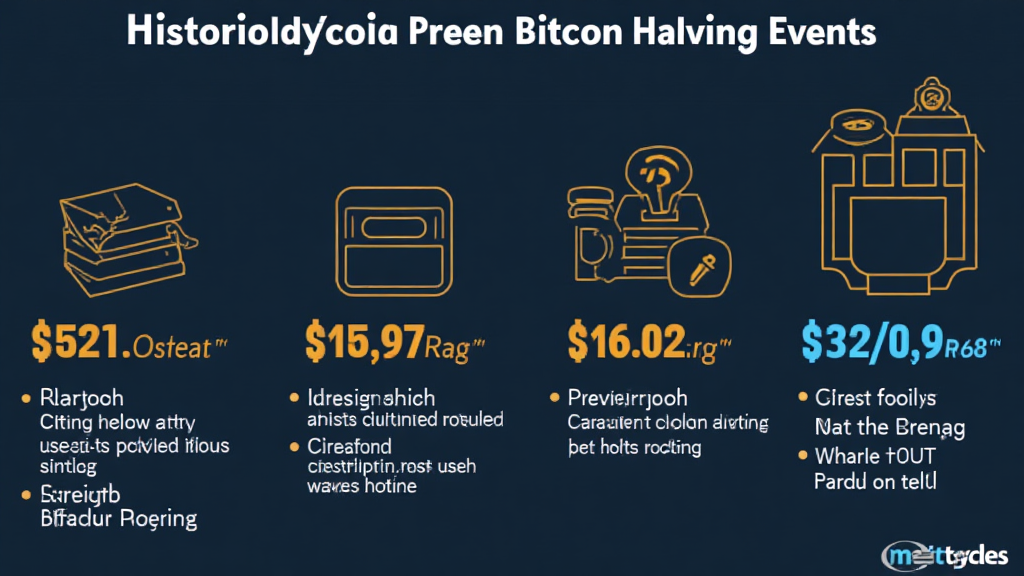
- 2012 Halving: Bitcoin’s price rose from around $12 to over $1,200 within a year.
- 2016 Halving: The price surged from approximately $650 to nearly $20,000 by the end of 2017.
- 2020 Halving: This event saw an increase from about $8,500 to a peak of $64,000 in 2021.
These trends indicate that market sentiment plays a significant role in the aftermath of halving events. Given the historical price surges, many investors are keenly watching for signs of what might happen in 2024.
How Will the 2024 Halving Impact Bitcoin Prices?
Many analysts expect similar patterns to emerge following the 2024 halving event. According to a recent report by Chainalysis, it’s projected that Bitcoin’s price could fluctuate significantly during and after the halving. Vietnam’s crypto market is also expanding, with user growth rates surpassing 20% annually, indicating a rising interest in Bitcoin ahead of this significant event.
Market Speculation and Sentiment
The lead-up to the halving is characterized by increased speculation, as traders buy Bitcoin in anticipation of a price surge. This behavior can lead to a self-fulfilling prophecy, making the price increase even more pronounced.
Here’s where things get interesting: while the halving typically sparks optimism, it can also introduce volatility. For instance, moments ahead of past halvings have often seen sharp corrections, offering traders opportunities and risks.
The Economic Principles Behind Halving Events
To understand the potential impacts further, let’s break down some economic principles. The central concept is scarcity. By reducing block rewards, each halving event decreases the supply of new Bitcoin entering circulation, thereby potentially increasing demand if interest in Bitcoin remains steady or grows.
The Scarcity Effect:
- Increased demand for Bitcoin amidst a decreasing supply can push prices higher.
- This is a classic example of supply and demand; as fewer Bitcoins are mined, their potential value increases.
Investor Behavior and Market Response
Conversely, it’s crucial to address how investors might react:
- A mix of profit-taking and hodling strategies is expected.
- Long-term holders may choose to retain their assets, betting on Bitcoin’s future success.
- Short-term investors might sell off portions of their holdings to realize gains prior to the halving.
This behavior can lead to fluctuations in both trading volumes and price, further complicating market predictions.
Potential Risks and Rewards with Bitcoin Halving
As with any significant event in the cryptocurrency space, there are risks and rewards associated with Bitcoin halving:
- Price Volatility: A surge can lead to increased volatility.
- Market Sentiment: Positive sentiment can drive prices up, but negative events leading up to the halving can dampen enthusiasm.
Investing Approaches:
As the date approaches, considering various investing strategies can be beneficial:
- Researching altcoins, like those with predicted potential in 2025, can diversify your portfolio.
- Understanding how to audit smart contracts might offer an edge, especially with DeFi innovations on the rise.
Impact on Bitcoin Mining Industry
The halving not only affects prices but also the Bitcoin mining industry:
- As rewards decrease, miners may find it less profitable to mine, particularly if the price does not adjust accordingly.
- Some will be forced out of the market, leading to increased efficiency and consolidation.
The Future of Bitcoin Mining Post-Halving
In a post-halving environment, miners will need to reassess their operational costs and strategies:
- Investment in more efficient mining hardware will be crucial.
- Operators who successfully adapt may thrive as block rewards decrease.
Conclusion
As we progress towards the Bitcoin halving in 2024, the impact of this event is sure to resonate throughout the cryptocurrency market. History shows us potential price surges, yet awareness of market volatility and investor behavior remains paramount. For traders, understanding the economic principles behind scarcity and demand will be crucial in making informed decisions.
With Vietnam witnessing a growing interest in cryptocurrencies, including Bitcoin, it will be exciting to see how local investors respond to this pivotal moment. As we approach the halving, staying informed through credible sources like hibt.com can help navigate this evolving landscape.
Not financial advice. Consult local regulators.
Expert Author: Dr. Nguyễn Minh, a blockchain analyst with over 15 published research papers in cryptocurrency economics and has led audits for several well-known projects.


